Rabia Farooqui
Visual Artist | Karachi, Pakistan
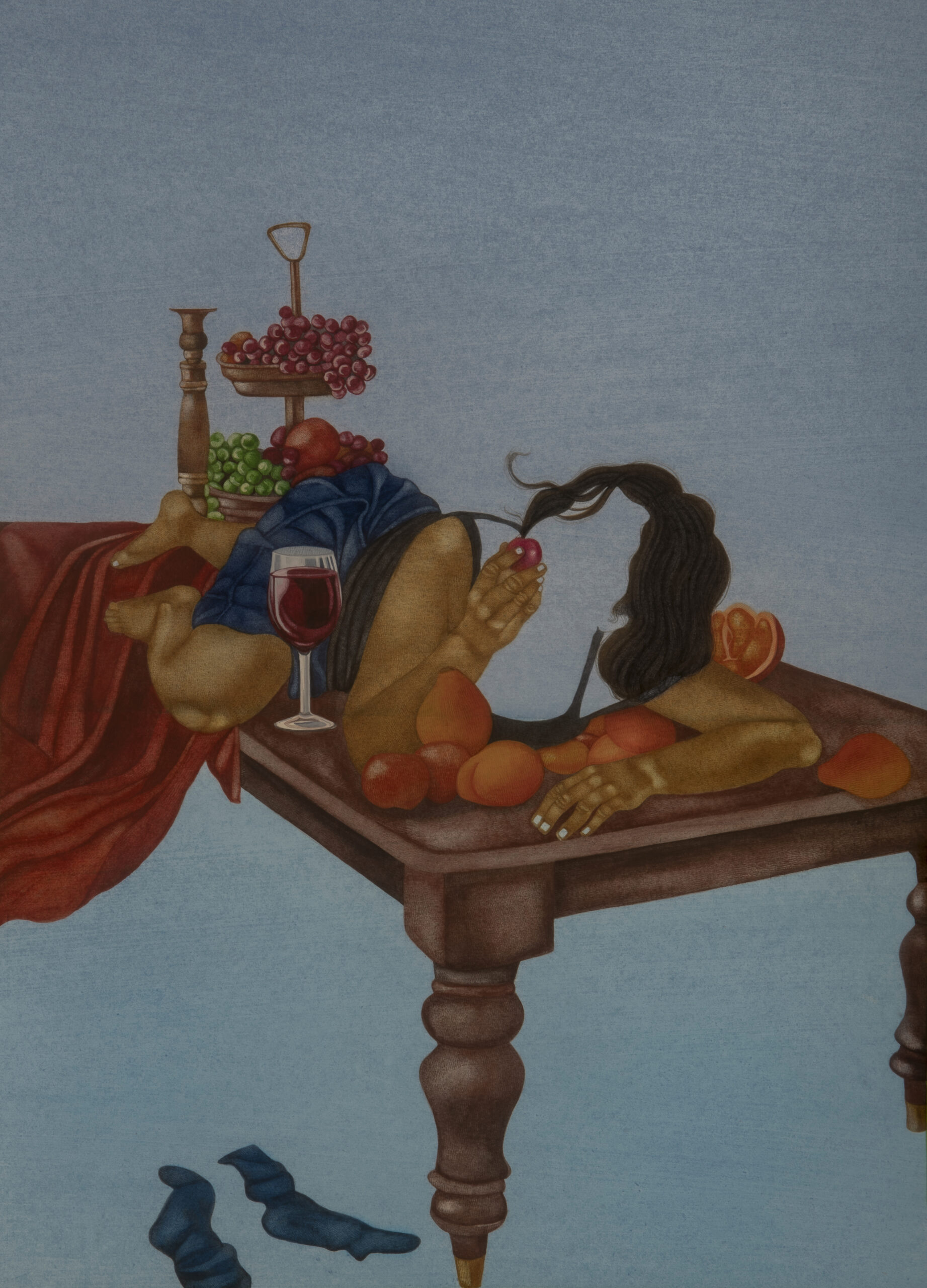
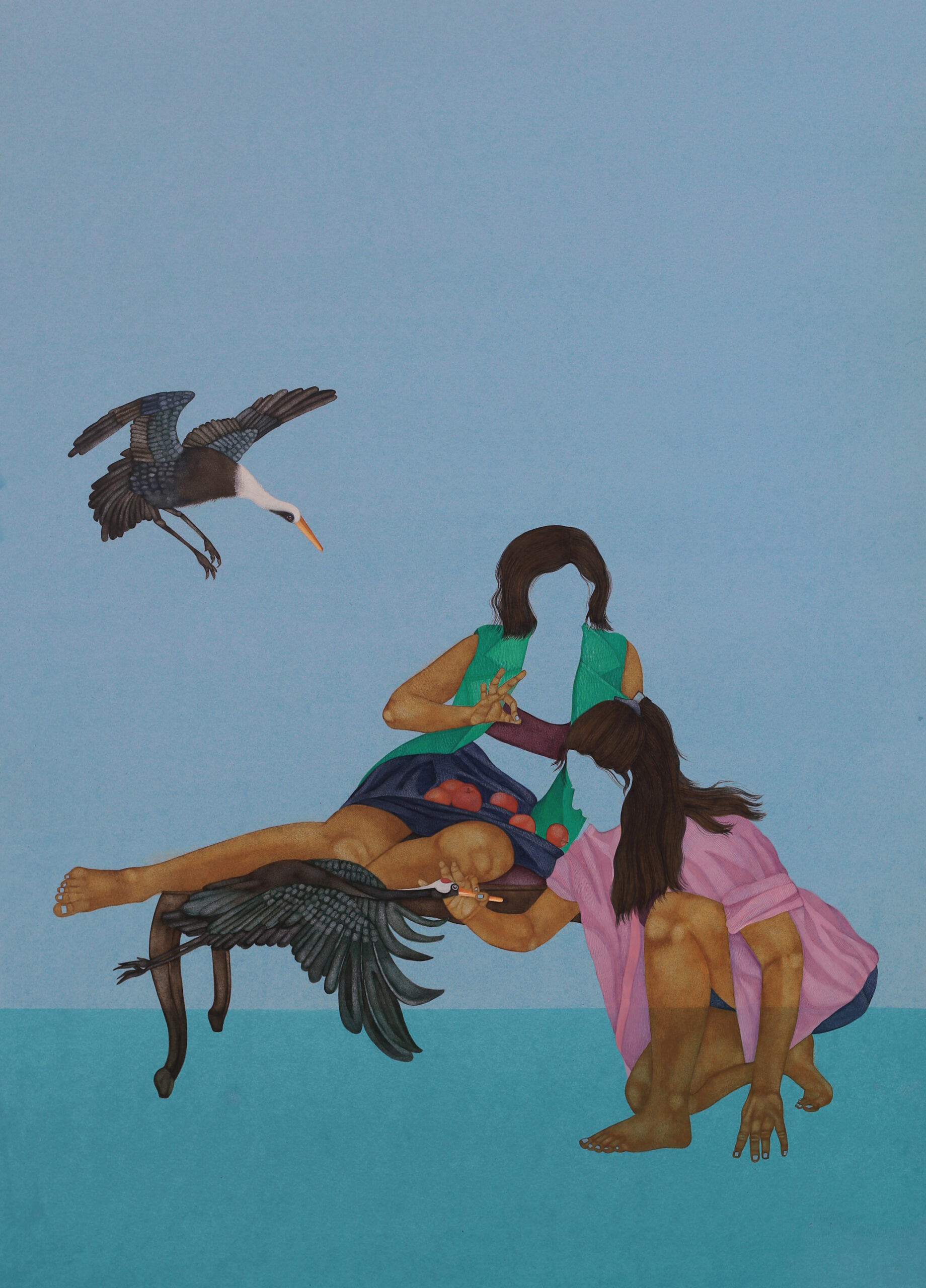
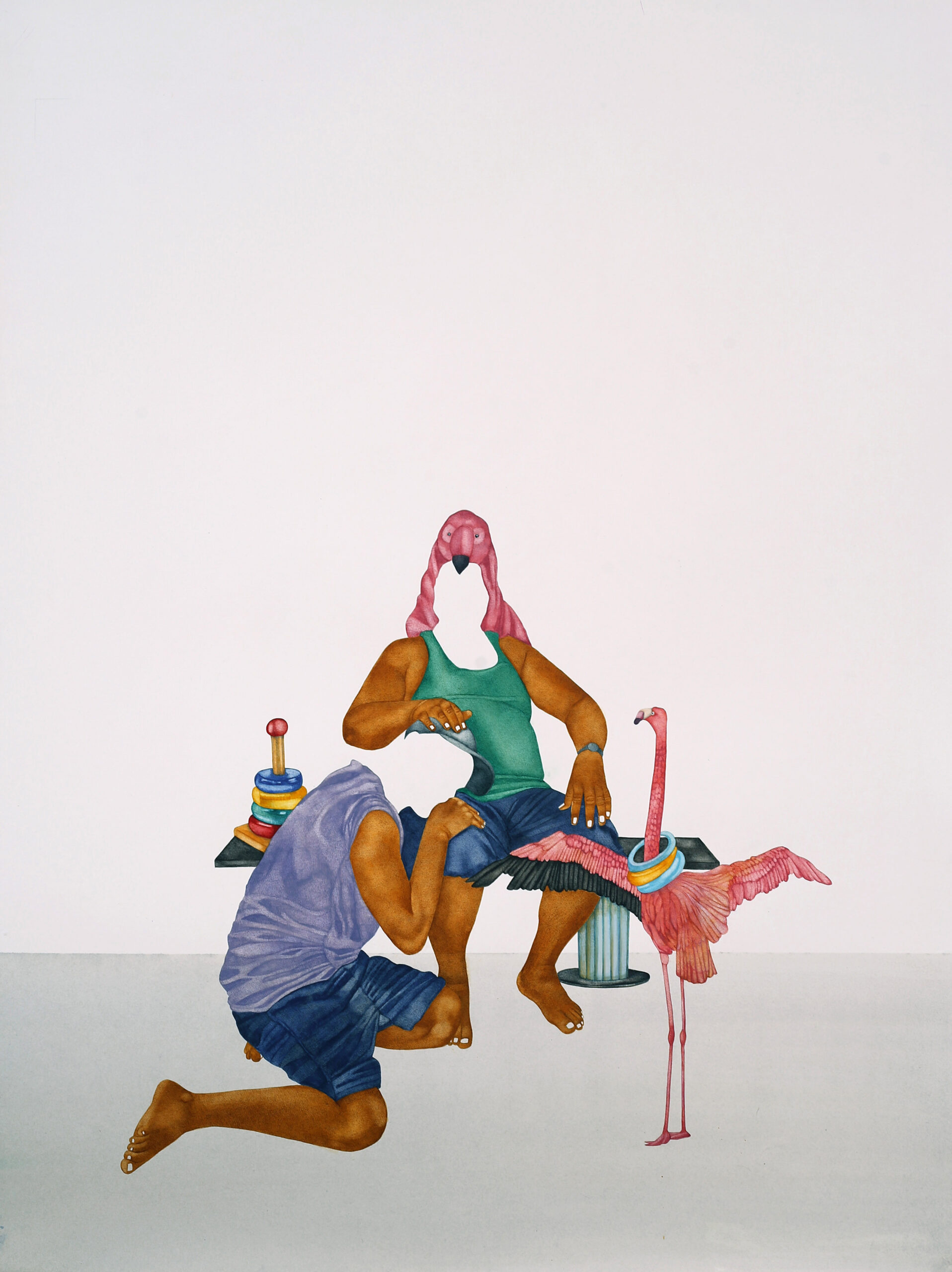
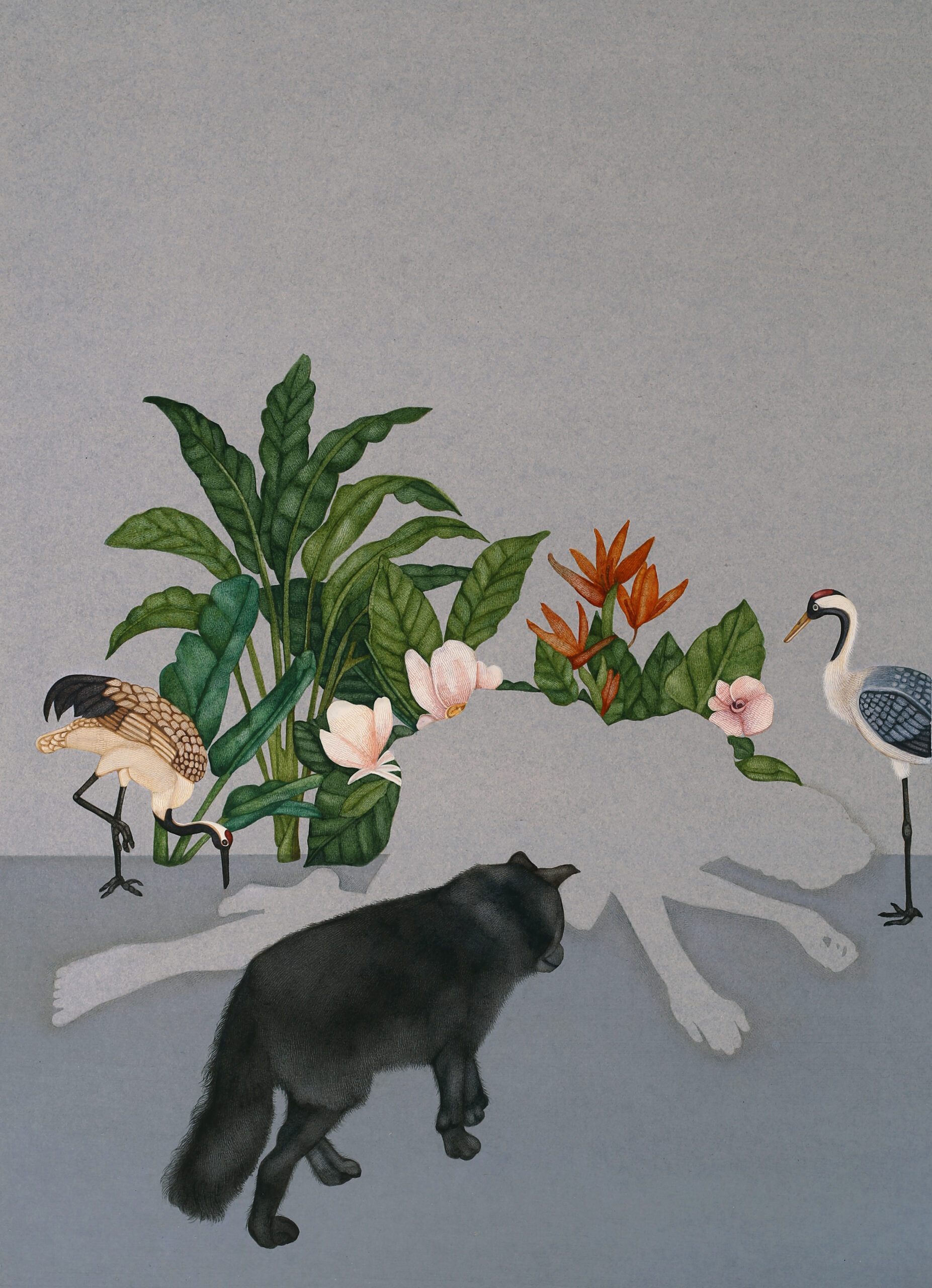
Born in 1992 and based in Karachi, Pakistan, Rabia Farooqui is a visual artist trained in the traditional discipline of Miniature Painting. She received her Bachelor of Fine Arts from the Indus Valley School of Art and Architecture, Karachi, in 2015. Working primarily with gouache on wasli, her practice investigates the complexities of human relationships, vulnerability, identity, and the subtle power dynamics that shape contemporary life.
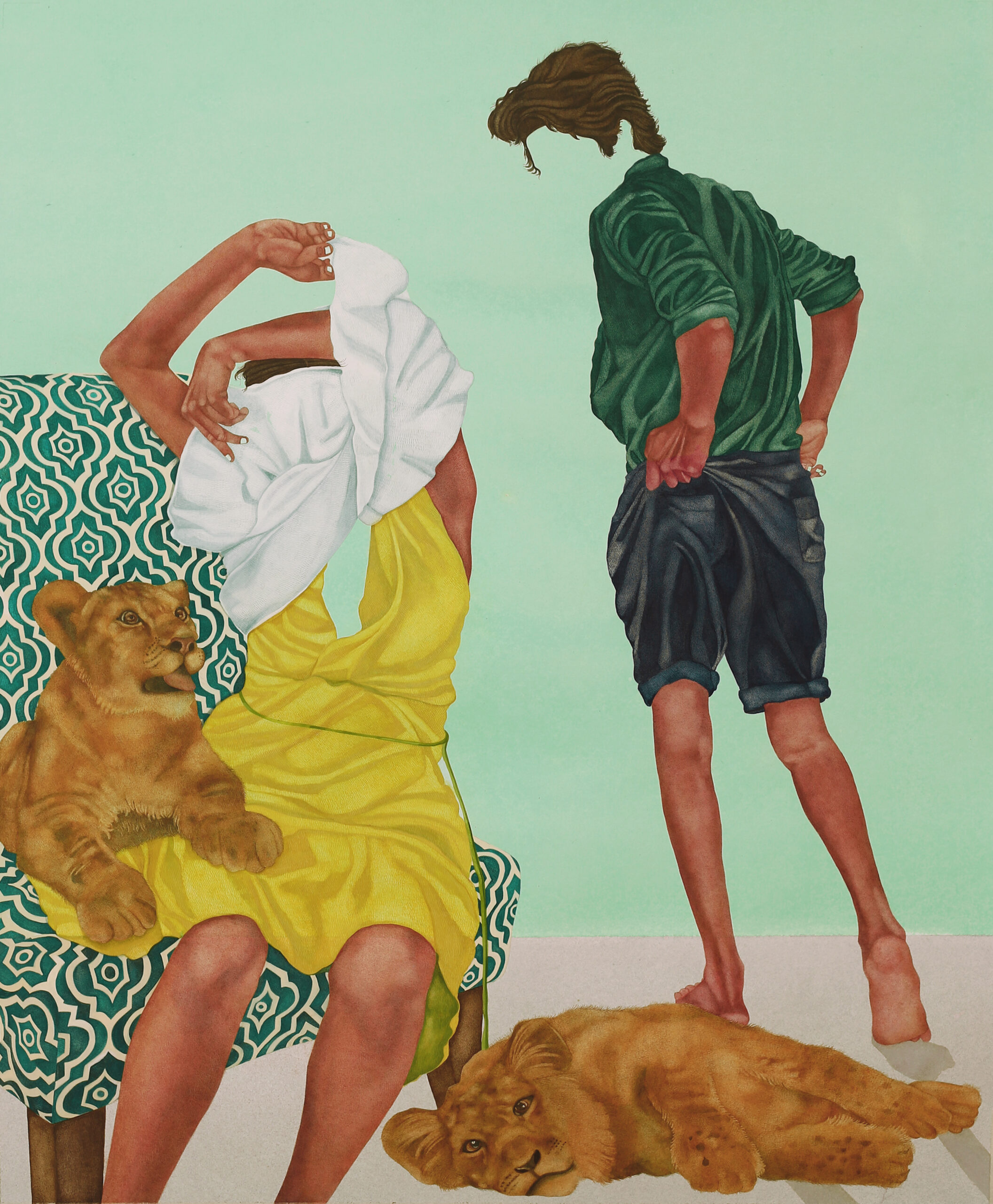
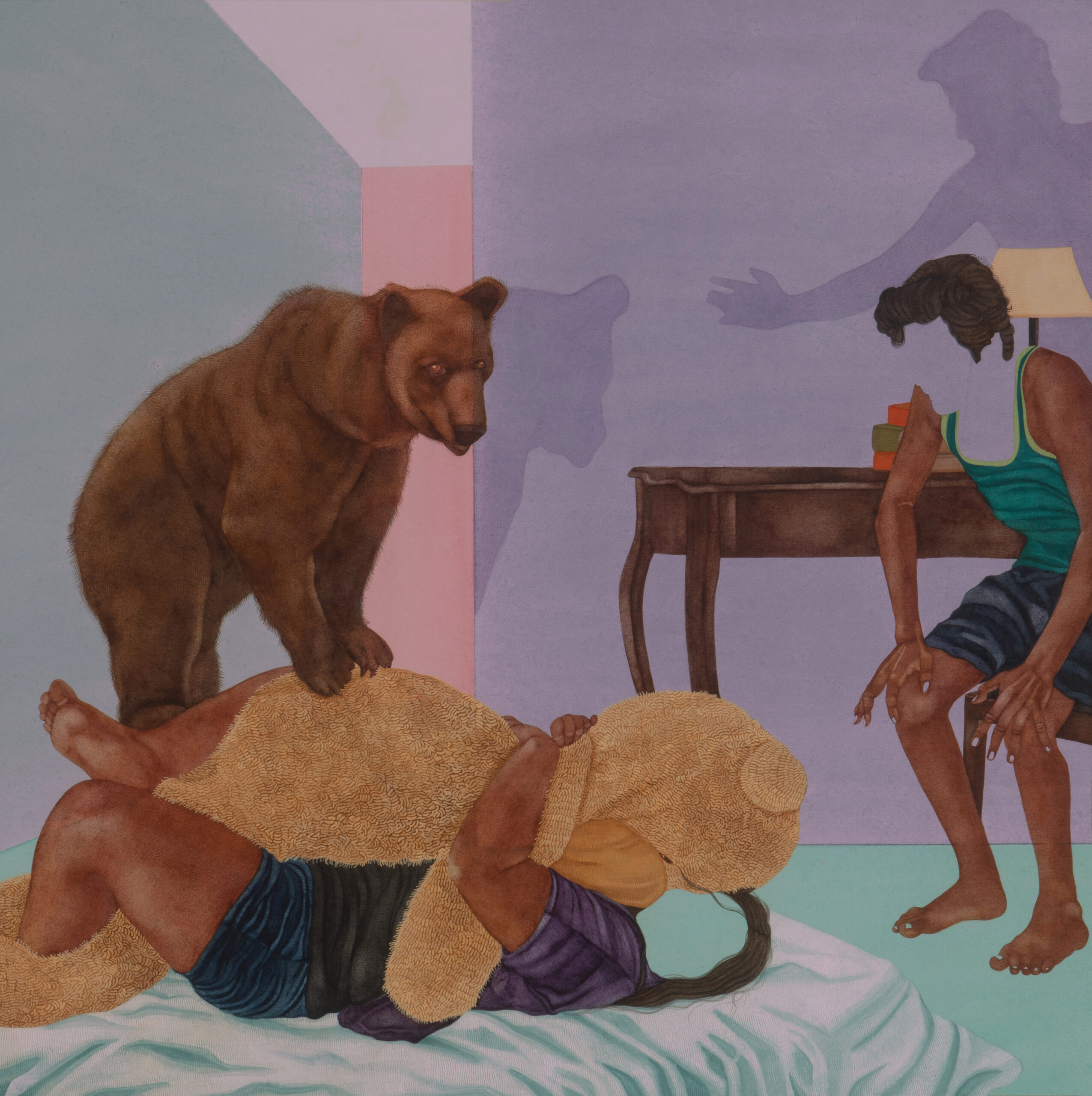
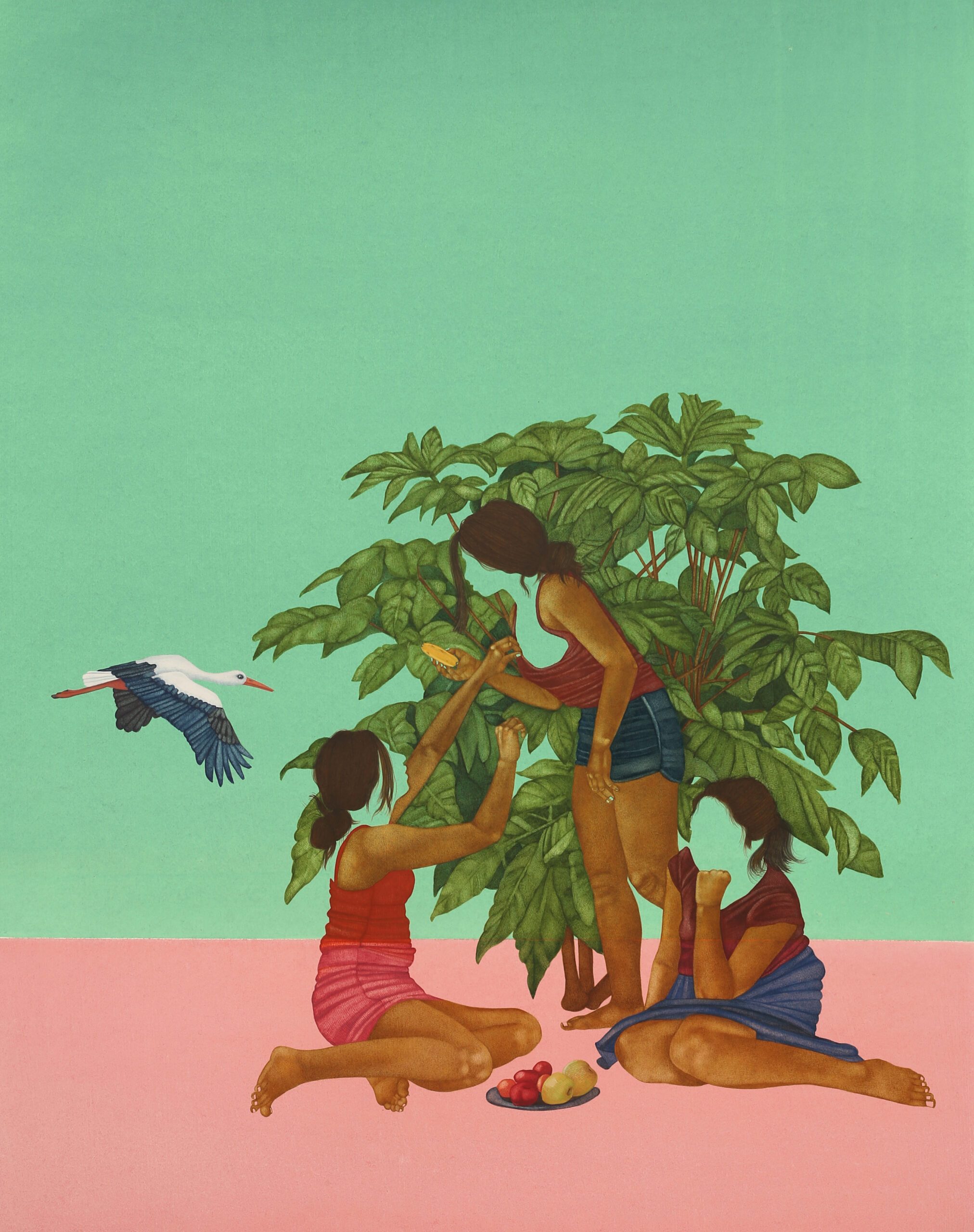
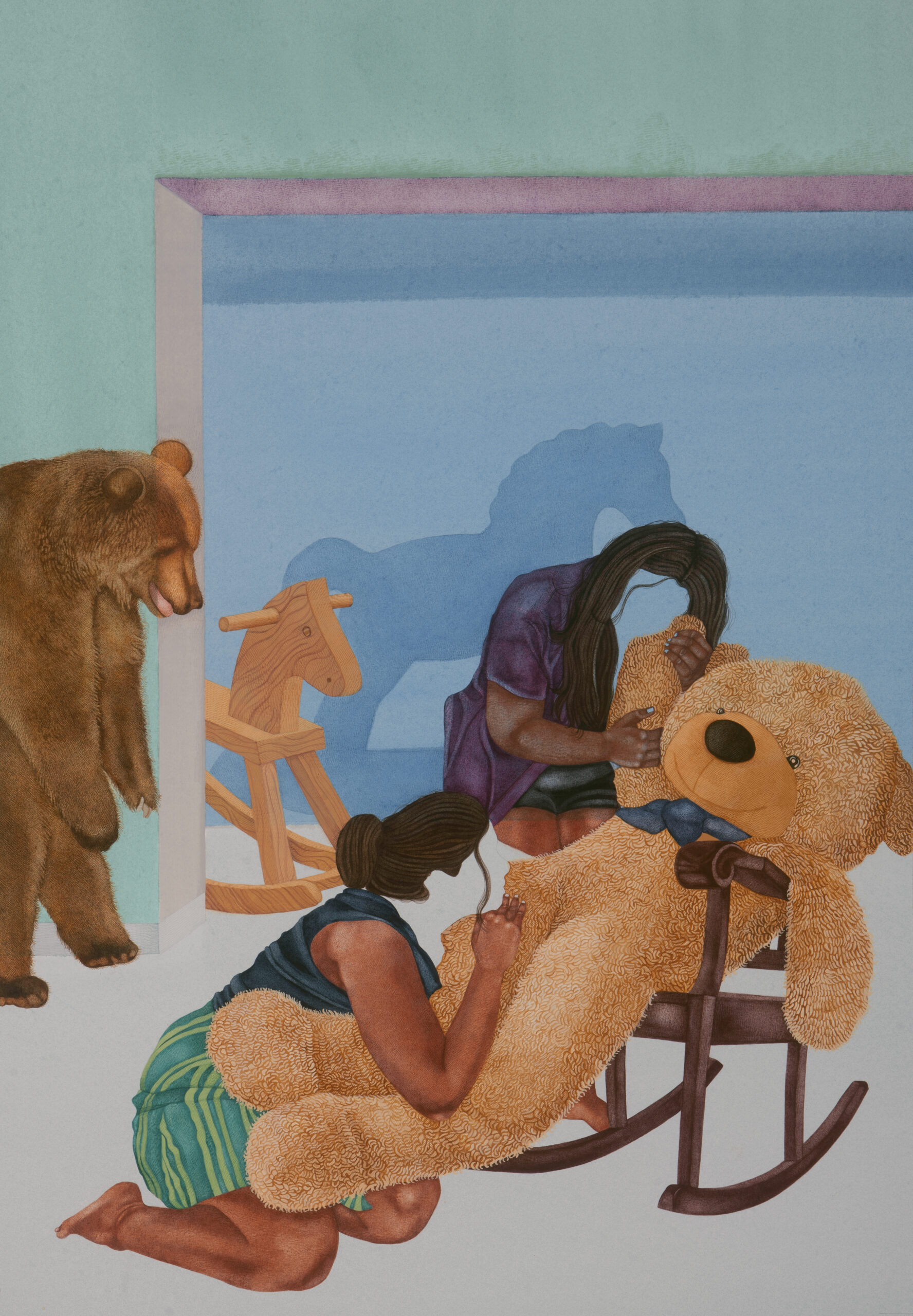
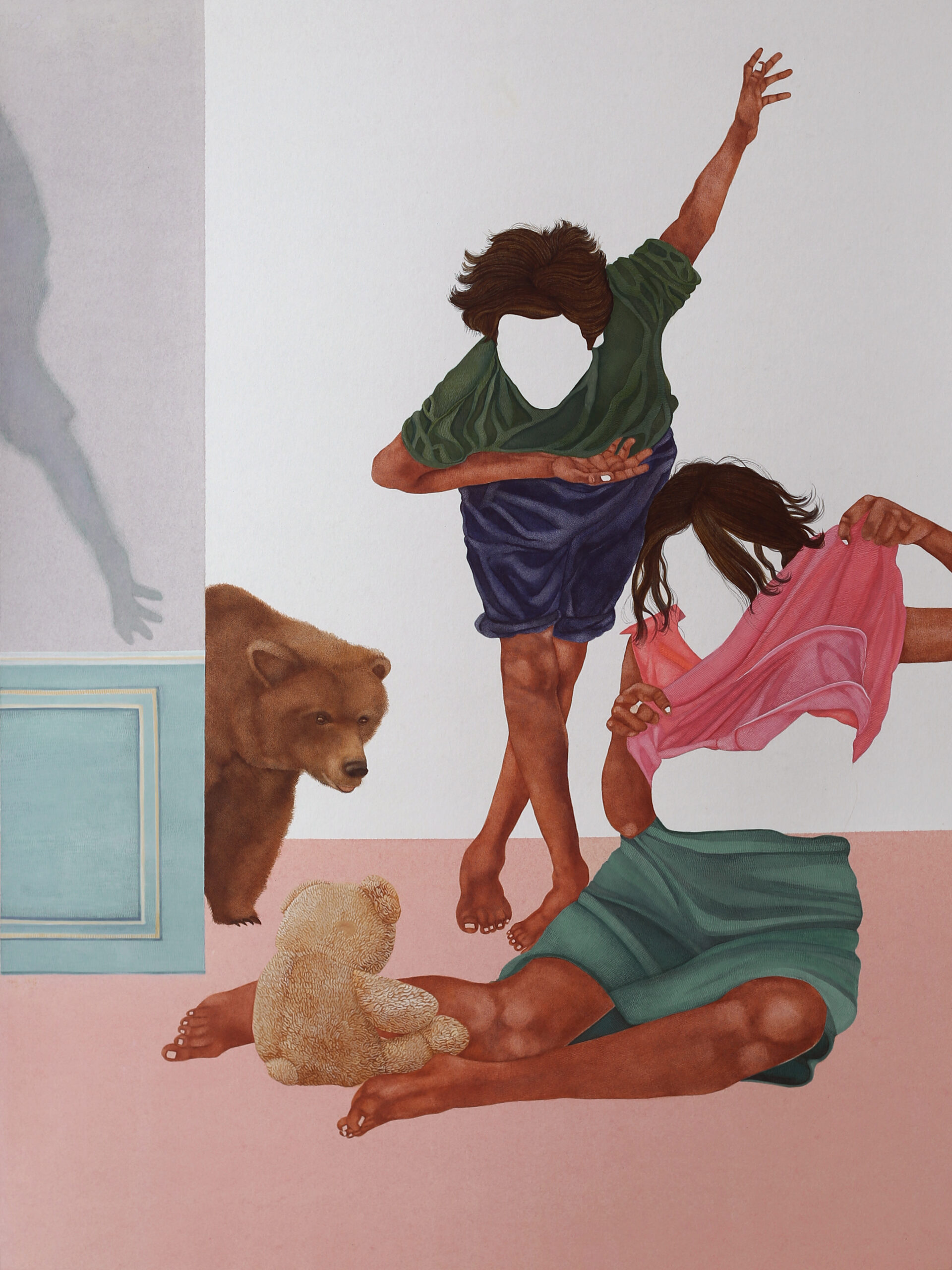
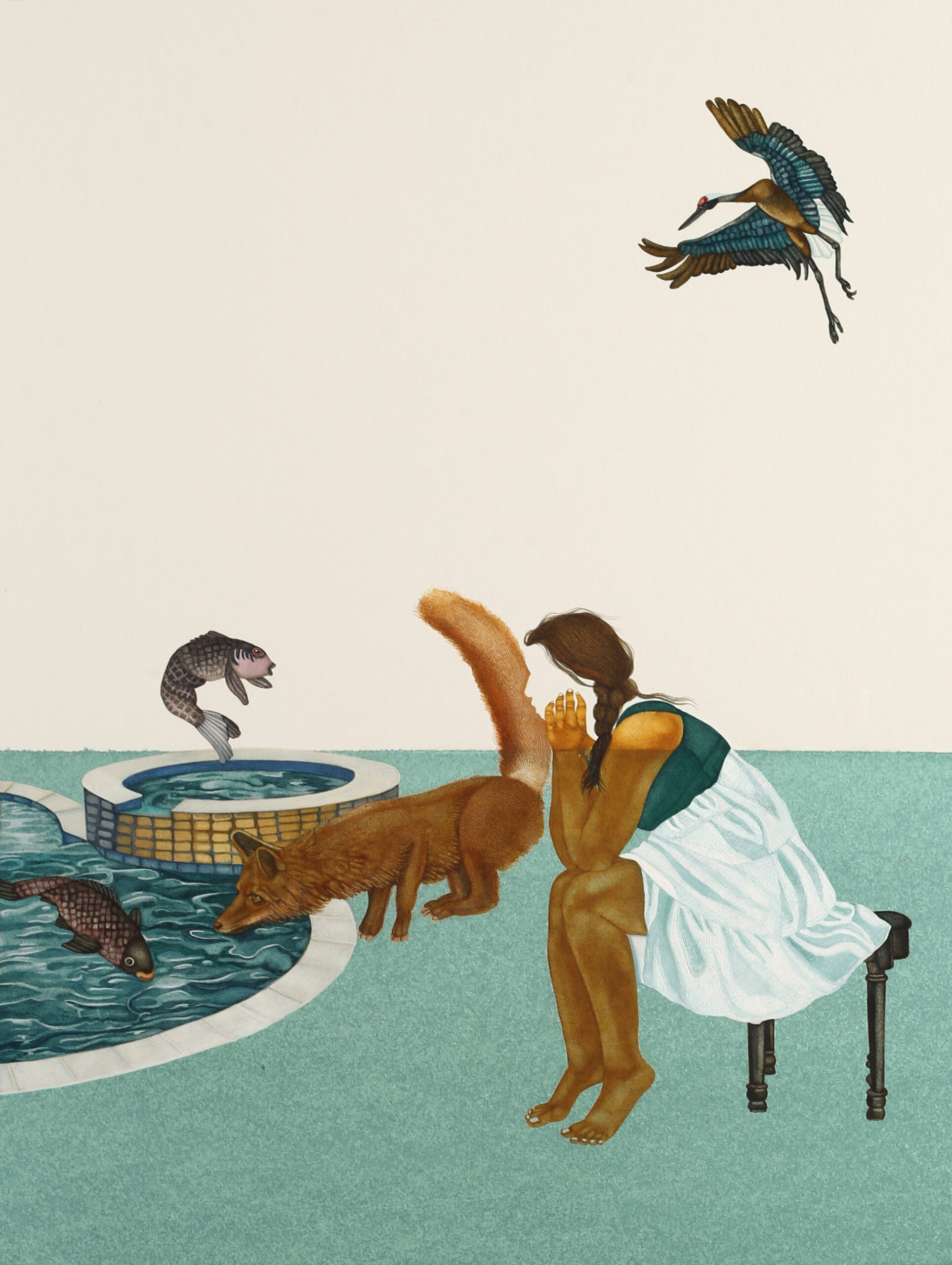
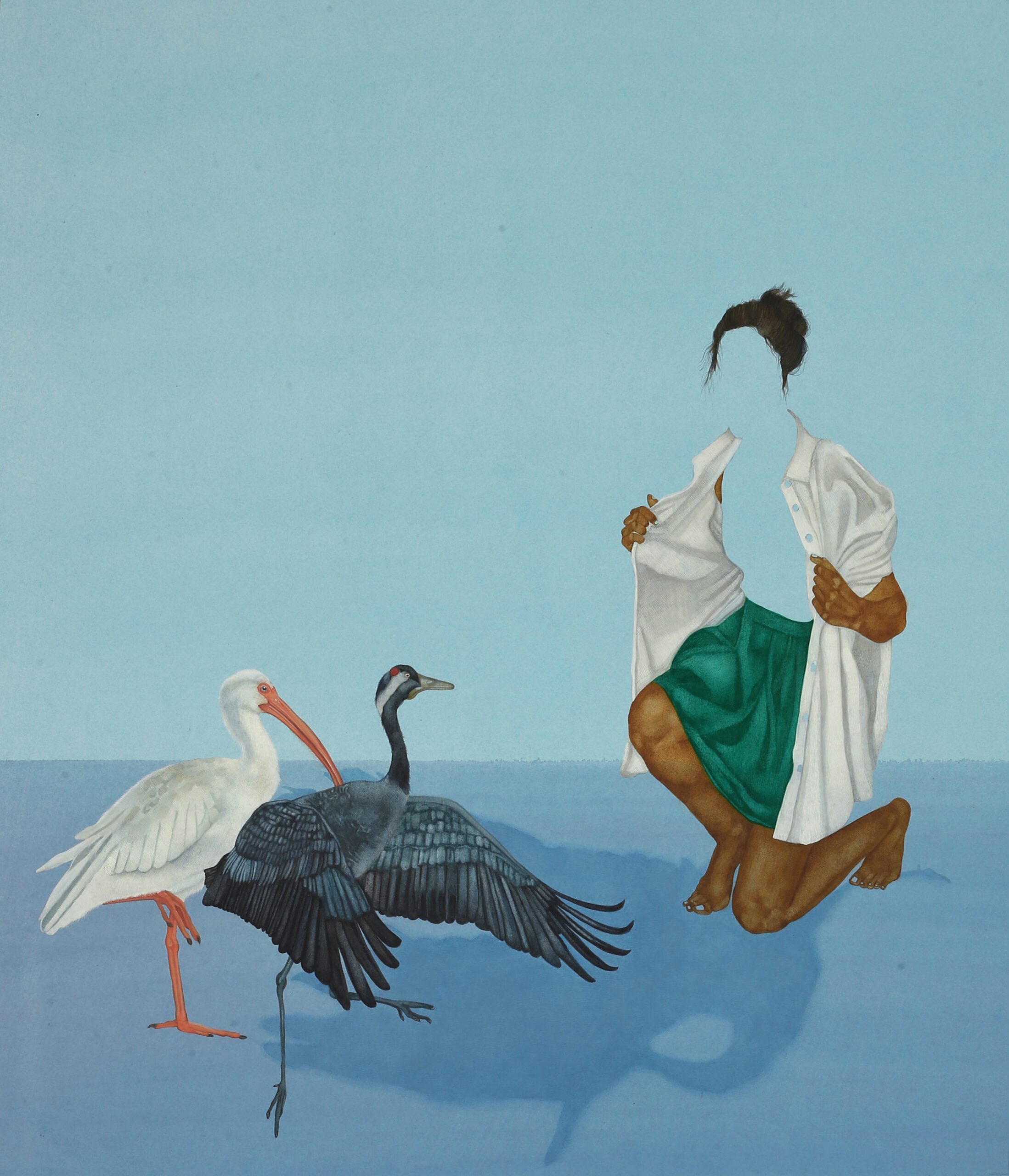
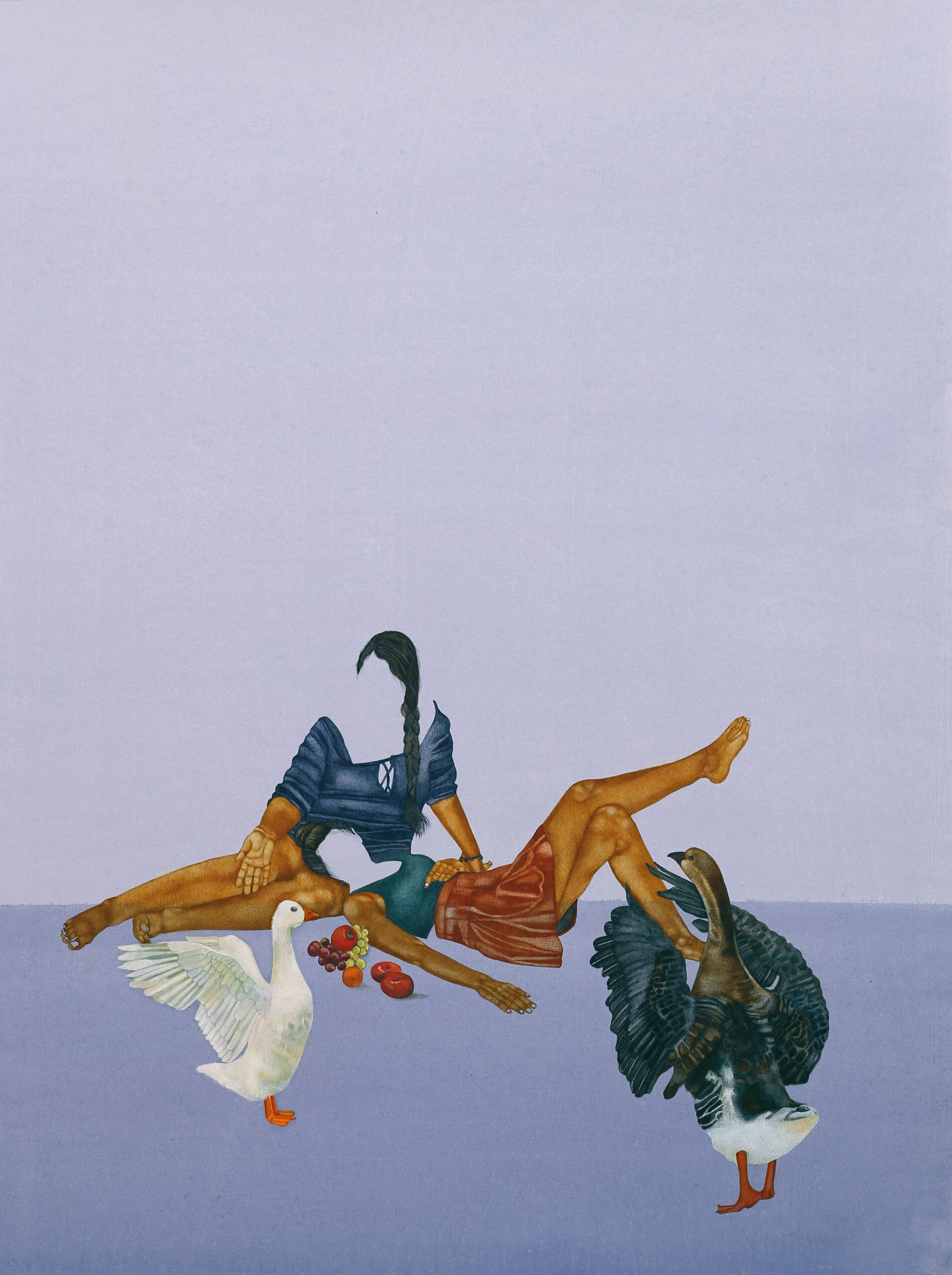
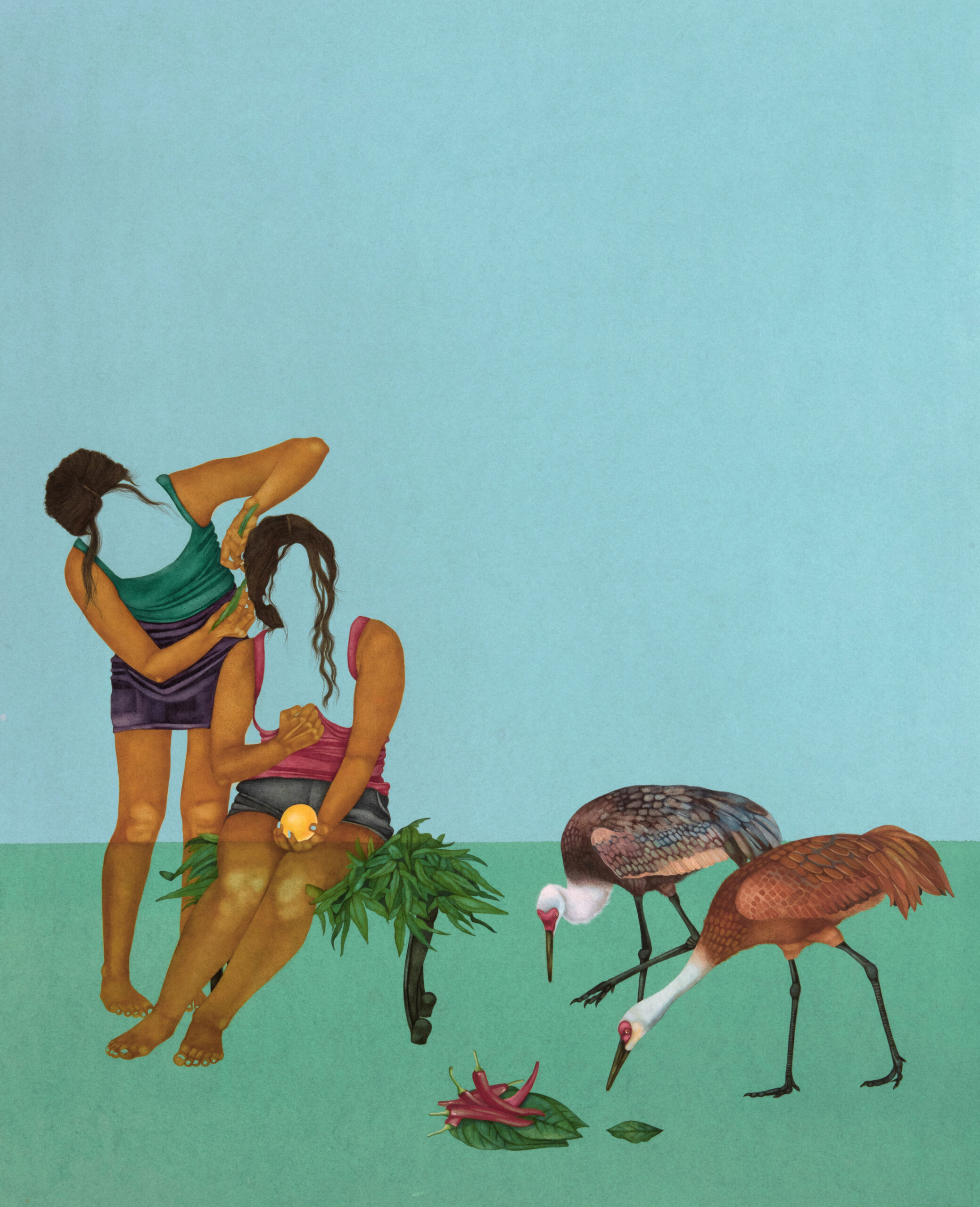
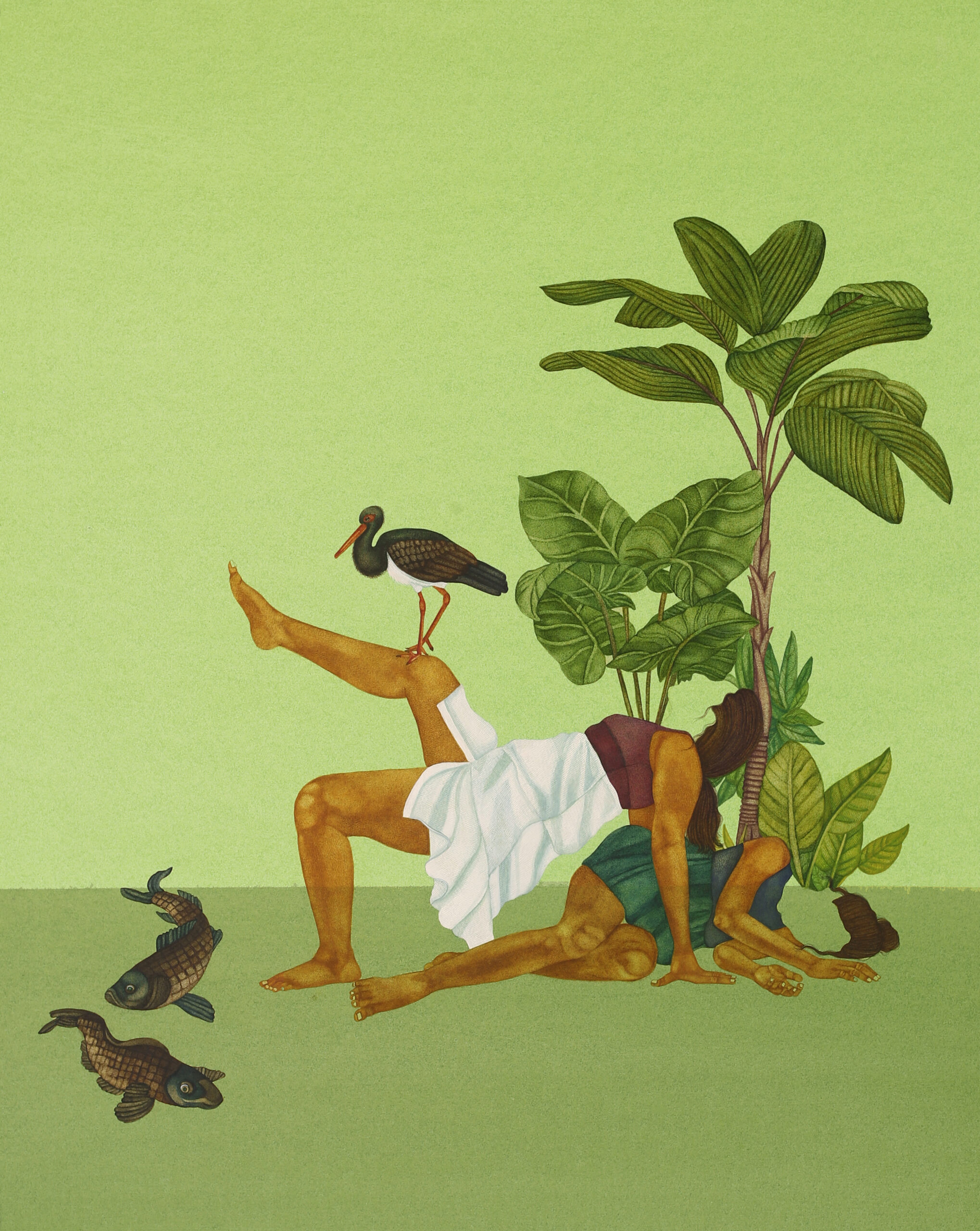
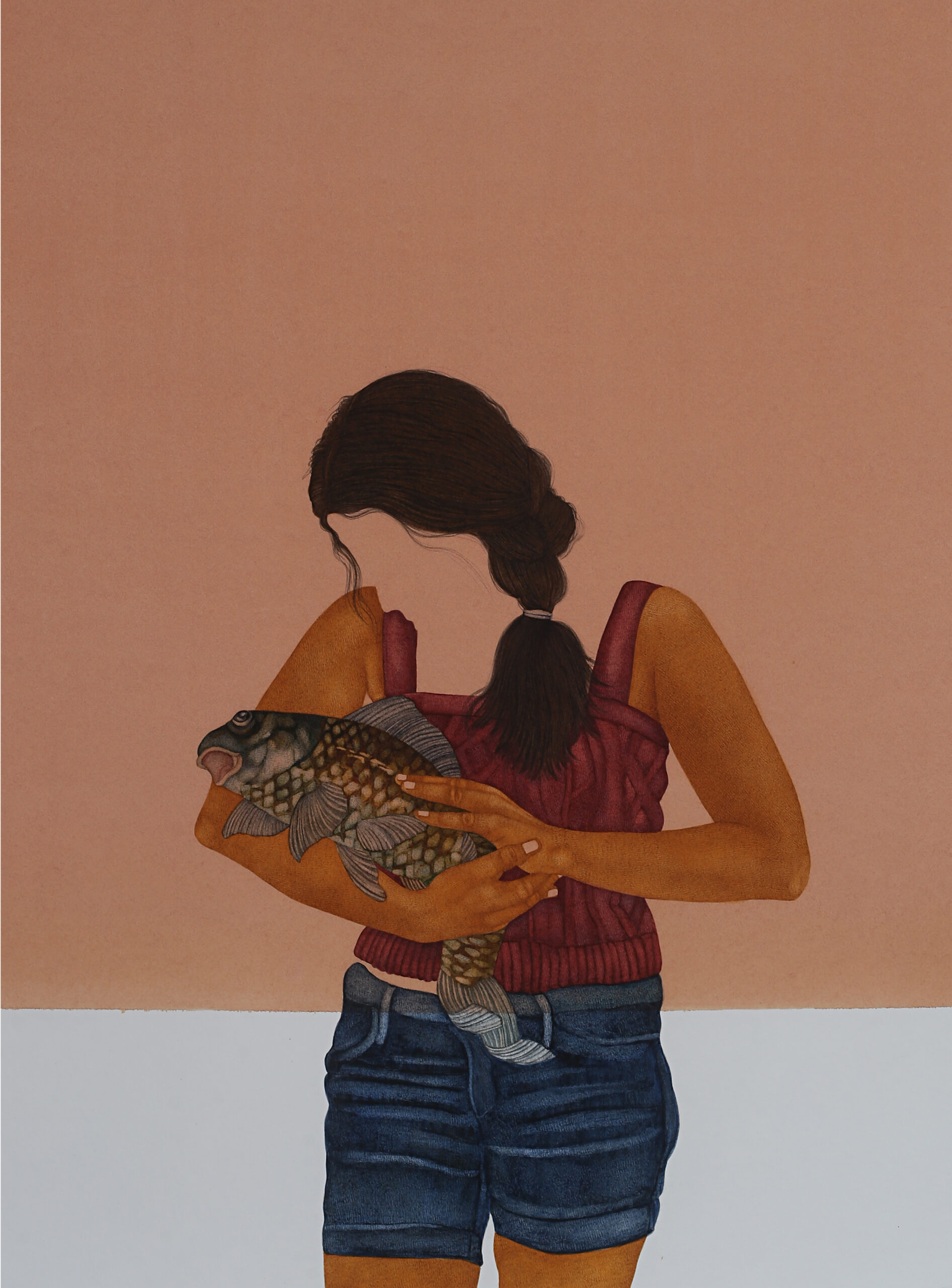
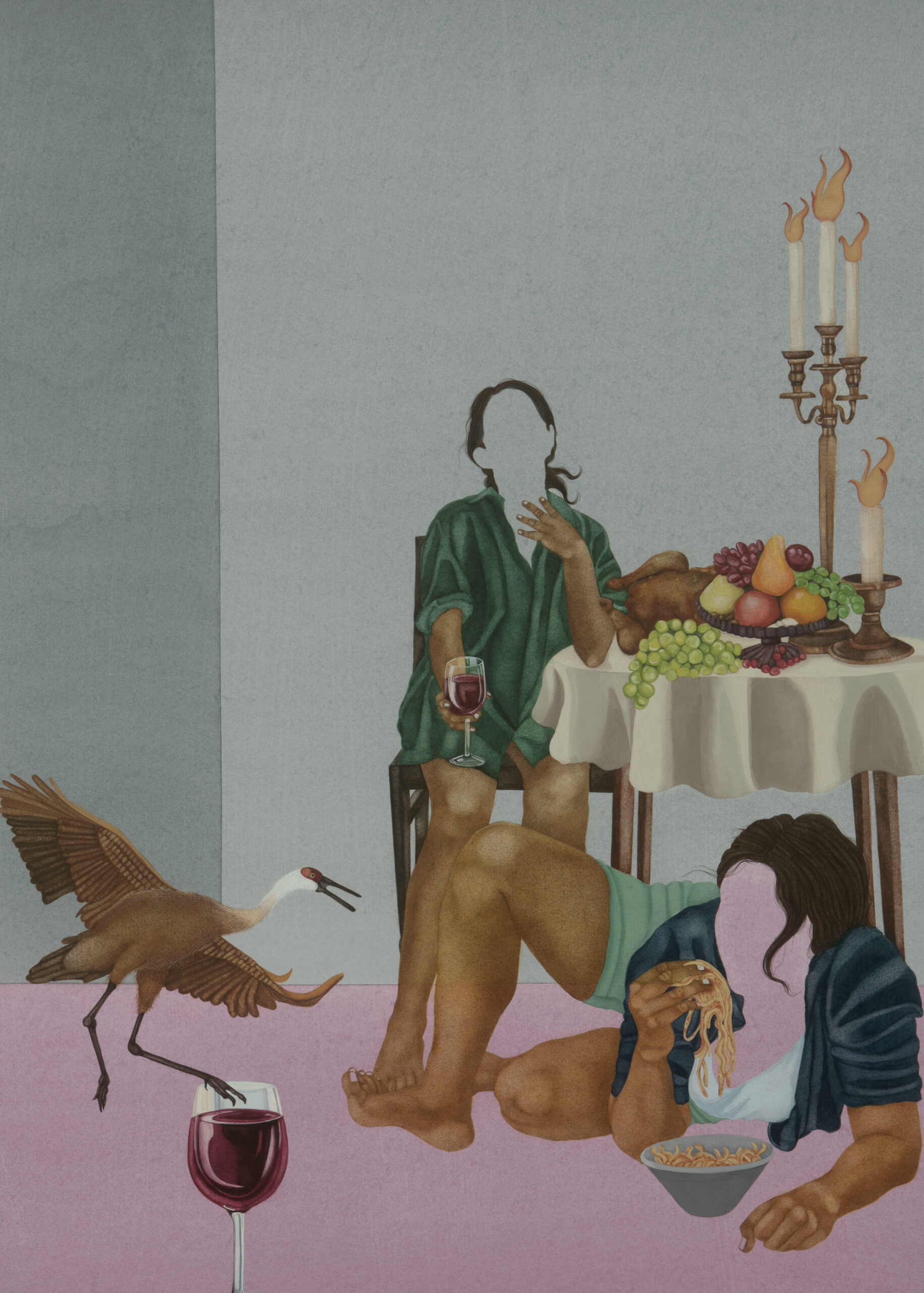
Her paintings are populated by anonymous figures, theatrical settings, and symbolic imagery that blur the boundaries between reality and imagination. Through carefully constructed visual narratives, she explores themes of intimacy, desire, control, affection, and emotional dependency. By withholding specific identities, the work shifts attention from individual subjects to broader questions of performance, authority, and the ways human beings navigate interpersonal connections.
A recurring aspect of her practice is the interplay between strength and vulnerability. Predatory animals, fragmented gestures, and staged encounters become metaphors for instinctual impulses, emotional exposure, and the negotiation of power within relationships. Drawing upon the rich visual language of South Asian miniature painting while engaging contemporary concerns, her works create spaces where humour, unease, tenderness, and psychological tension coexist.
Over the past decade, her work has been exhibited internationally through solo and group exhibitions in Pakistan, the United Kingdom, Germany, the United Arab Emirates, India, and the United States. Notable solo exhibitions include Synthetic Skin and Salon at Kristin Hjellegjerde Gallery (2025), Internal Landscapes in Berlin (2023), and Two Adults and an Attachment in London (2021). Her work has also been featured at Art Dubai and in numerous international group exhibitions.
Among her notable achievements, she was nominated for the Sovereign Asian Art Prize in 2020 and participated in artist residencies in Portugal and Morocco. Her imagery has also appeared on book covers, including When We Were Sisters by Fatimah Asghar. Through her distinctive visual language, she continues to expand conversations around identity, vulnerability, and human connection in contemporary society.